

Projectile explodes near tanker 50 nautical miles west of Dubai
UKMTO said the crew was safe and the tanker undamaged. The location inside the Gulf, not the strait, matters for freight and insurance.
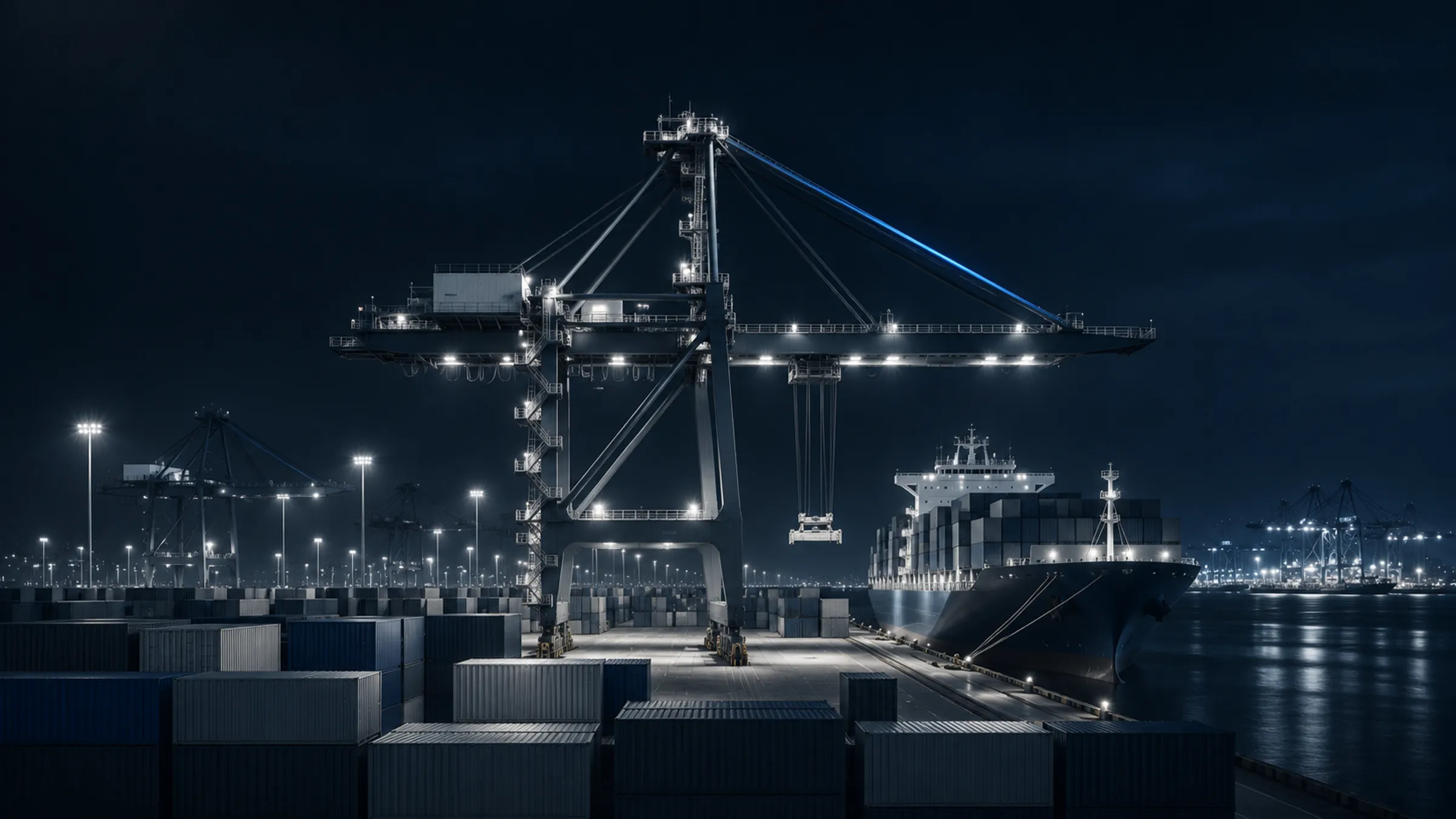
A tanker reported an explosion from an unknown projectile about 50 nautical miles west of Dubai late on Wednesday, the UK Maritime Trade Operations agency said. The master reported the crew safe and accounted for, no damage to the vessel and no environmental impact. UKMTO advised ships to transit with caution while authorities investigate. It did not identify the tanker or say who fired the projectile.
Incidents that cause no damage rarely move crude on their own. This one stands out for where it happened: inside the Gulf, well west of the Strait of Hormuz and close to the UAE coast, on loading routes that had looked relatively safe. Brent crude traded at $90.72 a barrel, up 0.09% on the day, and WTI at $84.07, up 0.47%.
Why the Gulf is the story
The strait between Iran and Oman normally carries a large share of the world's seaborne oil. Since US and Israeli strikes on Iran in late February, Tehran has tried to close it and Washington has imposed a blockade on Iranian ports. The International Maritime Organization has confirmed more than 130 incidents involving commercial vessels in the Gulf, the strait and the Gulf of Oman since the war began. Wednesday's blast echoes earlier November attacks on tankers off Qatar and Saudi Arabia, which suggests the risk is spread across Gulf lanes rather than confined to the chokepoint.
How it reaches the price
Attacks that do no damage are usually treated as background noise. The first channel is cost. War-risk insurance premiums and tanker freight rates rise before crude does, and those costs land on the shipowner and are passed to the refiner. The second is participation: each incident can deter owners who have only recently returned. Asian refiners, the biggest buyers of Gulf crude, carry the most exposure to any further disruption.
Supply is flowing, but less
Shipping data from Kpler put oil flows through Hormuz at about half of pre-war levels as of November 24, and shipments through the strait fell in the first half of November as attacks increased. US-escorted transits have kept some traffic moving, and Iran has allowed vessels linked to Iraq, Qatar, China and India to pass, which suggests it is managing access rather than shutting the strait. Reported attacks in and around the strait have reached their highest level since the conflict began, maritime tracking data shows.
What to watch next
A more serious incident while liquidity is thin, with US markets shut for Thanksgiving, could produce a larger price move than the event alone would justify. India's GDP for the September quarter is due on Monday. If a strike disables a tanker or hits loading infrastructure near the UAE or Saudi coast, insurance and freight costs would likely rise and a supply premium could return quickly; if attacks keep causing no damage, the market is likely to keep treating them as background. War-risk premiums and freight rates are the first places to check whether that changes.