

Iran hit at least six ships twice in two months near Hormuz
The repeated strikes are meant to deter traffic from the Strait of Hormuz, the Gulf's narrow exit to open water for tankers.
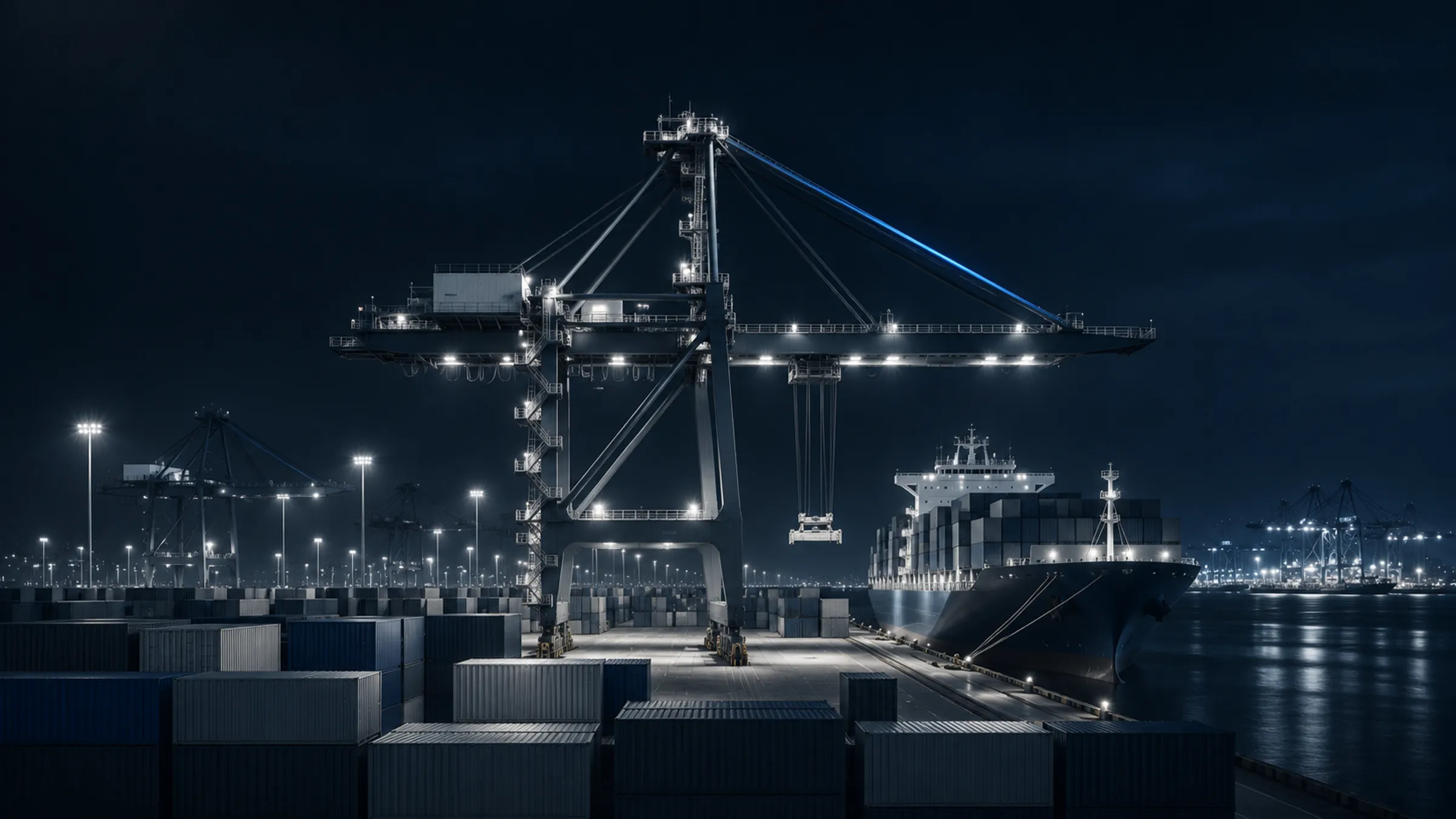
At least six vessels have been hit twice in the past two months, strikes aimed at deterring ship traffic from the Strait of Hormuz. The tactic is known as double tapping: a second strike on a ship that has already been hit.
For a trader, the pattern matters more than the count. A single strike is an incident. Second strikes on the same hulls point to a deliberate effort to make the route unusable.
Second strikes on the same ship
Shipping runs on insurance and schedules. A ship hit once can be repaired, re-insured and sent back to sea. A ship hit twice carries a different message to the owner, the charterer and the crew, and the decision on whether a voyage happens is where the deterrence bites. War-risk cover and freight rates are the first costs to react when a route turns dangerous. The cost of moving crude follows.
Why the strait matters
The Strait of Hormuz is the narrow channel between the Gulf and open water. Crude from Gulf producers leaves through it. Traffic does not have to stop for prices to react. Insurers repricing a route, or owners refusing a booking, is enough to change what a barrel costs to deliver.
The market backdrop
Brent crude traded at $90.84 a barrel, up 0.22% on the day. WTI traded at $83.08, down 0.72%. Gold traded at $3,668.5 an ounce, up 2.91%. The dollar index stood at 104.014, up 0.34%, and the US 10-year yield was 4.936%, up 1.82%. The S&P 500 traded at 7,297.49 points, up 1.60%.
Gold rising alongside a firmer dollar and higher Treasury yields is the unusual part, since those three usually pull in different directions. US equities and the dollar show no sign of a supply-driven selloff in the same session.
What to watch next
The count of attacked vessels is the first thing to track. Six in two months is the floor the report gives, so a seventh would show the pace holding. Watch also whether war-risk cover and freight rates for Gulf loadings start to move; those costs reach the oil price before any physical shortage does.
On the calendar, India publishes GDP for the July-September quarter on Monday, the RBI decides on rates on Friday, and the US November jobs report lands the same day.
If second strikes continue and shipping costs rise, Brent has a reason to price a wider risk premium. If the attacks stop and tankers keep sailing the strait, that premium has little to support it.