

Norse Atlantic files for bankruptcy, halts flights as fuel costs climb
The airline blamed the Iran war for higher fuel costs, with Brent crude trading at $90.32 a barrel.
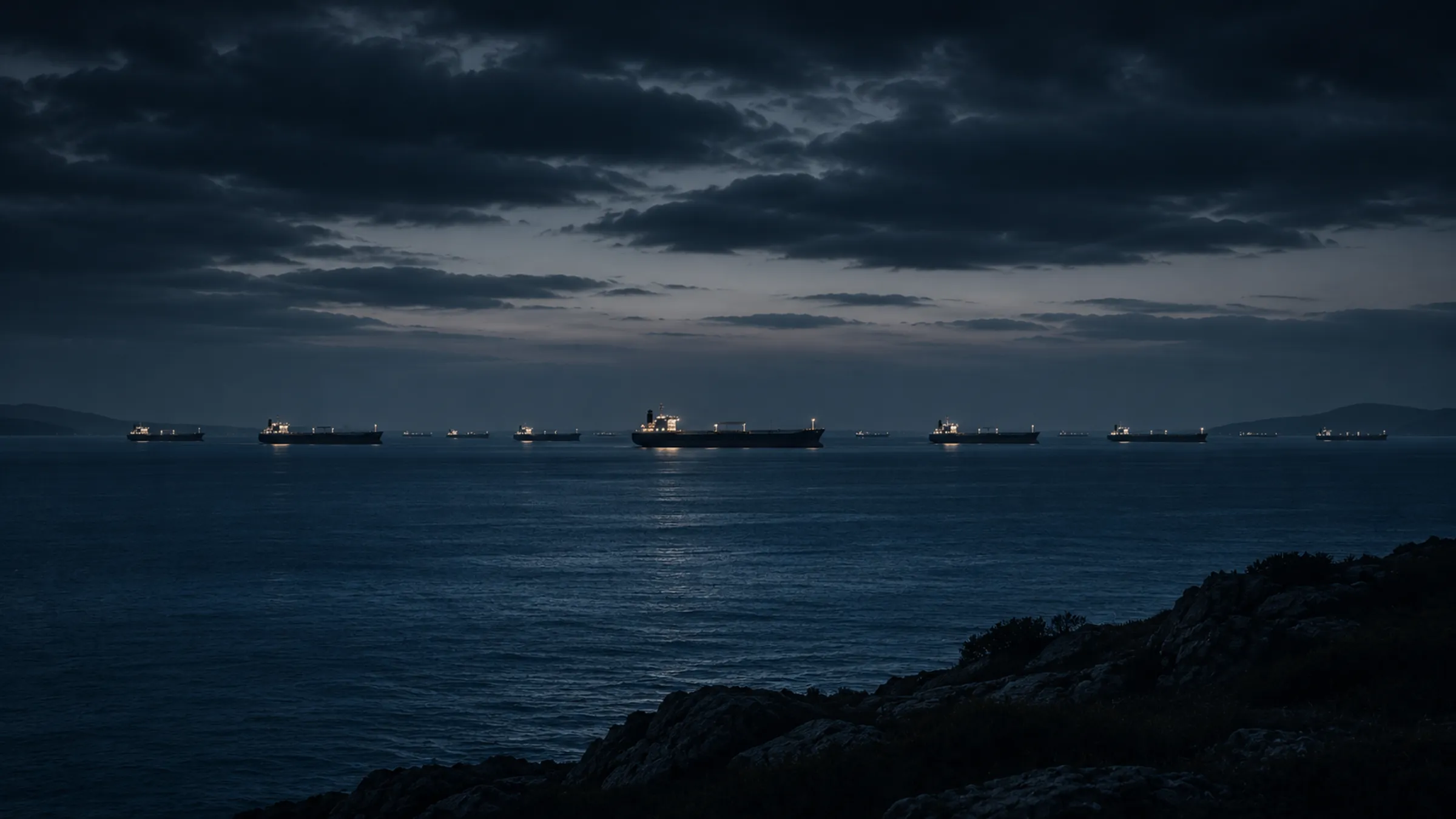
Norse Atlantic filed for bankruptcy and halted flights, citing fuel costs pushed up by the Iran war. For traders, the story is the oil price: Brent crude traded at $90.32 a barrel, a level that keeps the cost of flying long-haul routes under pressure.
Why it happened
The filing names the war as the reason fuel costs rose. Jet fuel is refined from crude, so the war premium in oil passes into an airline's biggest variable cost. Long-haul flying is more exposed than short-haul, because widebody aircraft burn most of their fuel carrying fuel for the hours still ahead.
How fuel reaches the fare
Airlines buy jet fuel continuously. A carrier that has not locked in prices through hedging pays the market rate, and that bill moves within weeks. Fares are set months ahead and cannot be repriced at the same speed, so the gap comes out of cash. Long-haul low-cost models run on thin margins per seat, which leaves little room to absorb a sustained rise.
The bigger picture
Crude was slightly lower over the session, with Brent at $90.32 a barrel, down 0.35%, and WTI at $83.30, down 0.45%. Both remain high enough to keep pressure on carriers buying at spot. Gold rose 2.38% to $3,649.30 an ounce, the dollar index traded at 104.031, up 0.35%, and the US 10-year yield was 4.914%. US equities were higher, with the S&P 500 at 7,263.85 points and the Nasdaq 100 at 26,493.12 points.
Who else is exposed
Other long-haul low-cost carriers face the same arithmetic, particularly those without fuel hedges. Aircraft lessors and airports that depend on long-haul capacity lean on the same traffic. A sustained crude price near current levels tends to weigh on airline margins and support energy producers; a fall in crude does the reverse.
What to watch next
India's GDP for the September quarter is scheduled for 30 November, and the RBI's rate decision for 4 December. The US November jobs report is also due on 4 December. Oil remains the deciding variable for this story. If crude holds near $90 a barrel, more thin-margin carriers face the same cash squeeze; if the war de-escalates and crude falls, that cost pressure eases for the survivors.